
Sourcing notes and buying guides for baby textile buyers
Short, specific explanations of the things that actually cause rework: minimums, fibre naming, TOG, wash behaviour and the difference between a certificate and a report. Each post ends where the decision does — at the product page you would quote from. They are written for buyers and product developers, not for parents: how-to-swaddle and best-blanket questions belong to consumer publishers, and we do not write them.
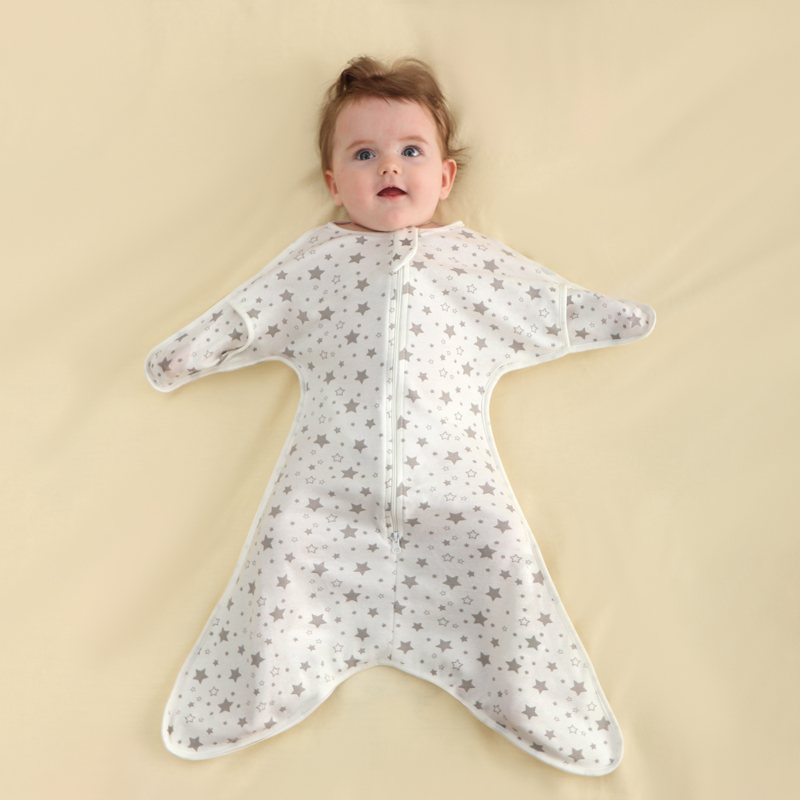
How to develop a private label baby sleep sack
Development runs in six steps: a spec sheet, a reference sample or tech pack, a fit sample, a pre-production sample, a sealed sample, and bulk with inspection. Each step …
Read →
What affects the cost of custom baby sleep sacks?
Cost is the sum of eight components: shell fabric, wadding and lining, zip and trims, cut-and-sew labour, print or dye, packaging, testing, and freight. The largest swing…
Read →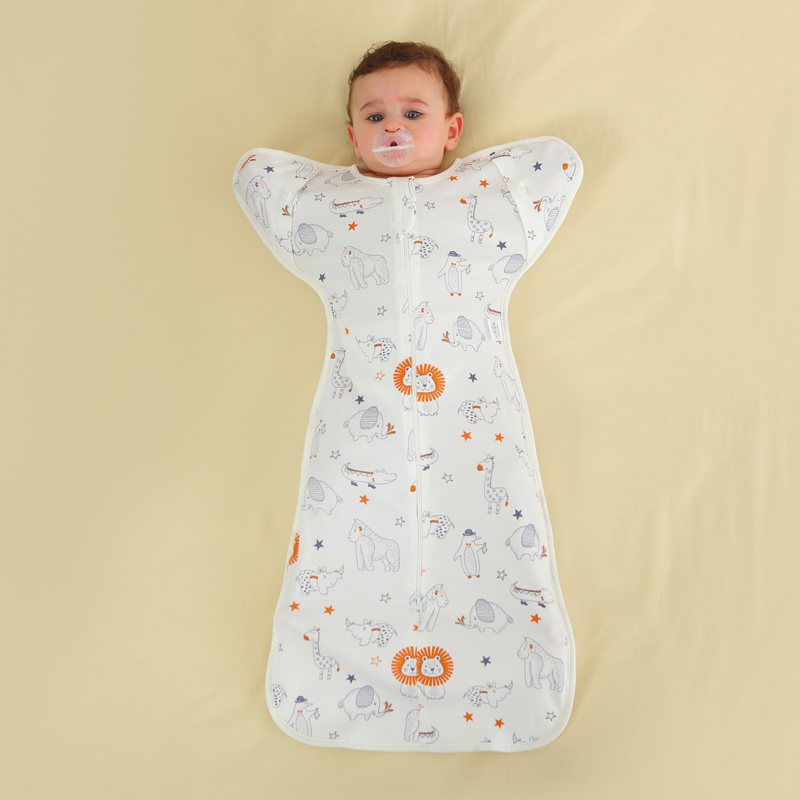
Baby sleep sack MOQ explained
There is no single MOQ for custom baby sleep sacks. The order minimum is the largest of four separate minimums: the fabric minimum, the print or dye-lot minimum, the styl…
Read →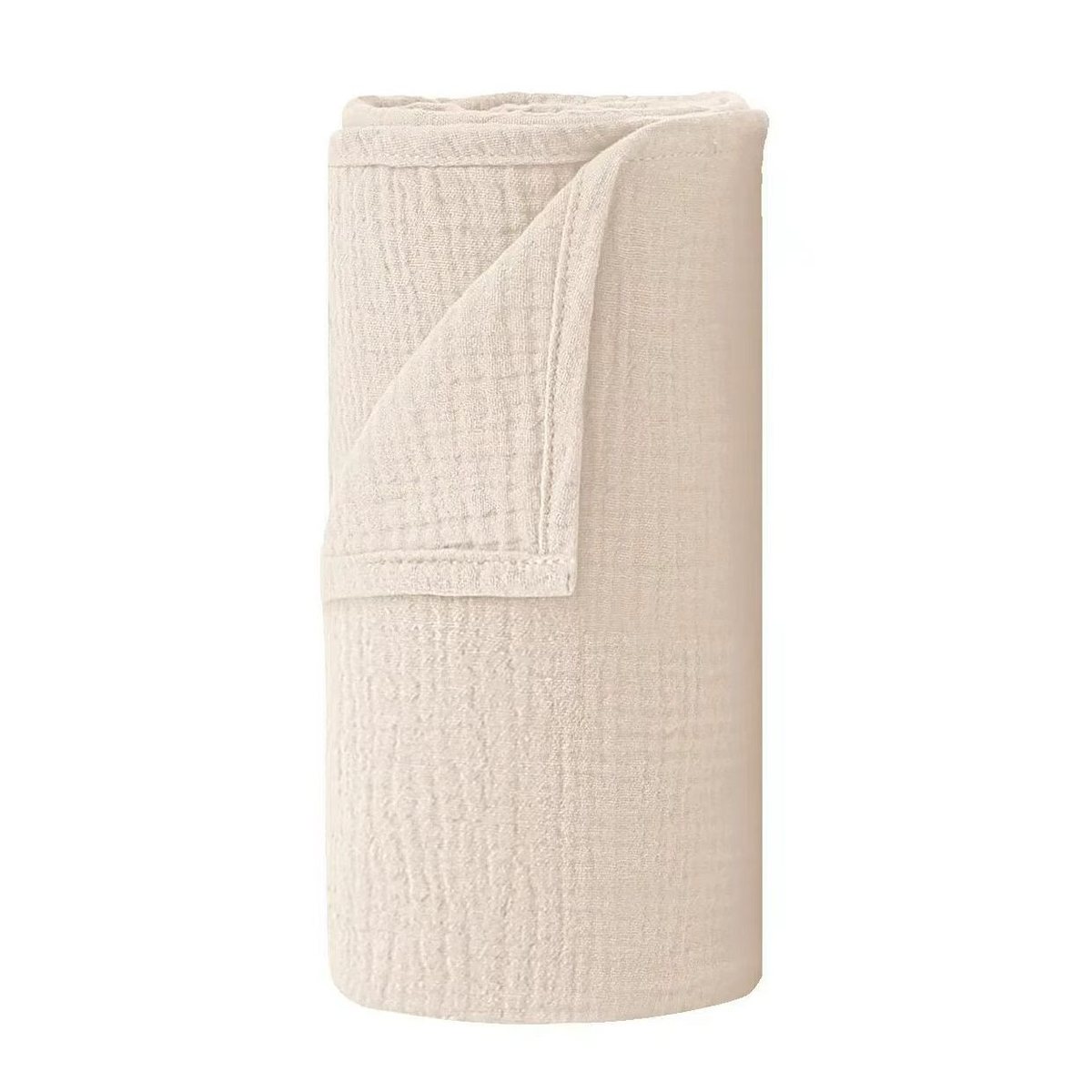
Cotton vs bamboo viscose sleep sacks for baby brands
Cotton is a natural fibre; viscose from bamboo is a regenerated cellulose fibre made from bamboo pulp. They behave differently in drape, shrinkage and print, and they are…
Read →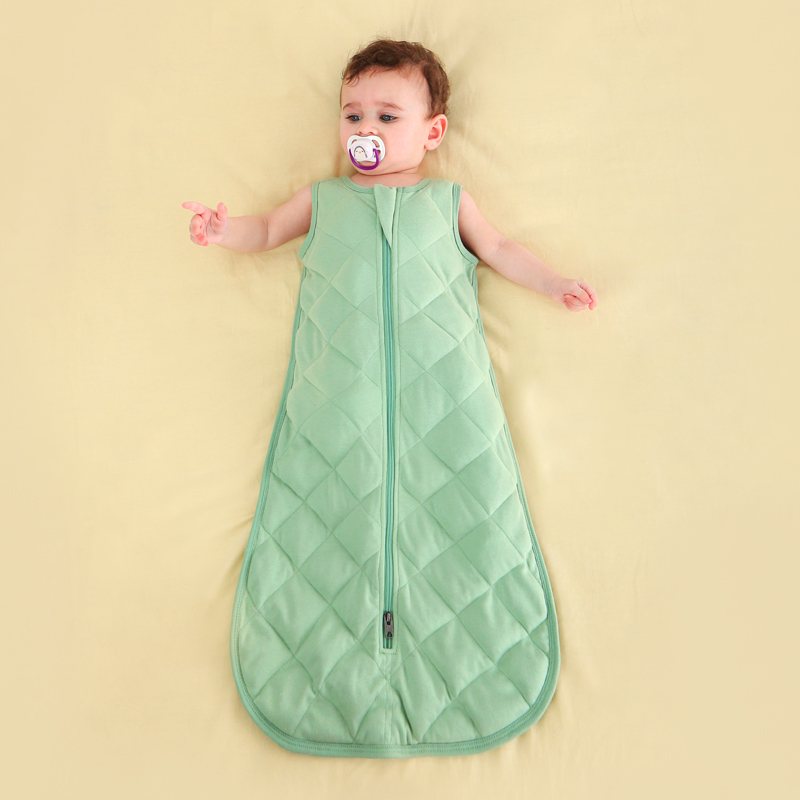
Choosing TOG ratings for a baby sleep sack collection
TOG measures thermal resistance: the higher the number, the warmer the garment. It is a property of the finished product, not of the fibre, so two cotton sleep sacks can …
Read →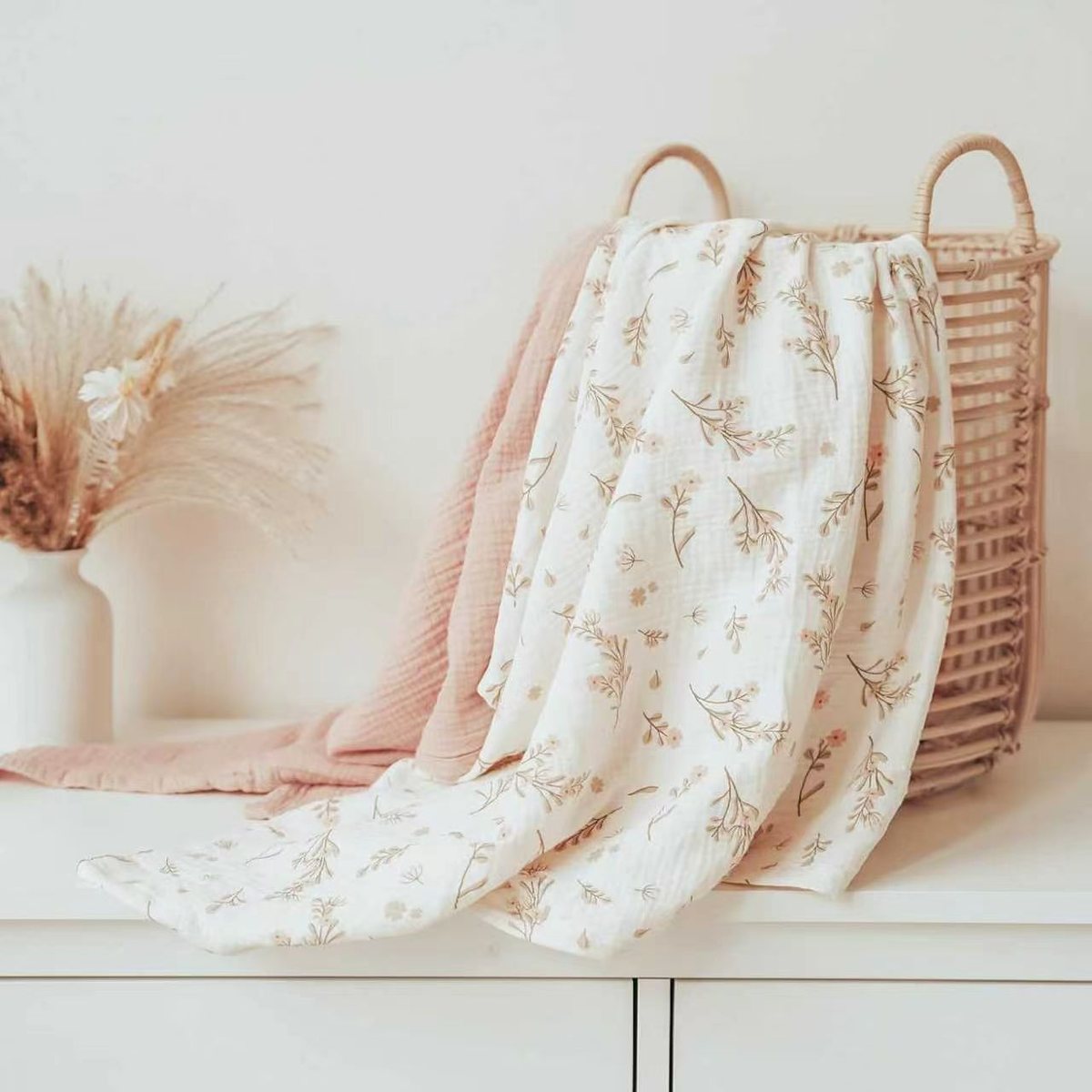
Custom muslin swaddle blankets: a buyer’s guide
A muslin swaddle is specified by four things: size, layer count, weave and print method. Size and layers decide the use case; weave decides the hand-feel; print method de…
Read →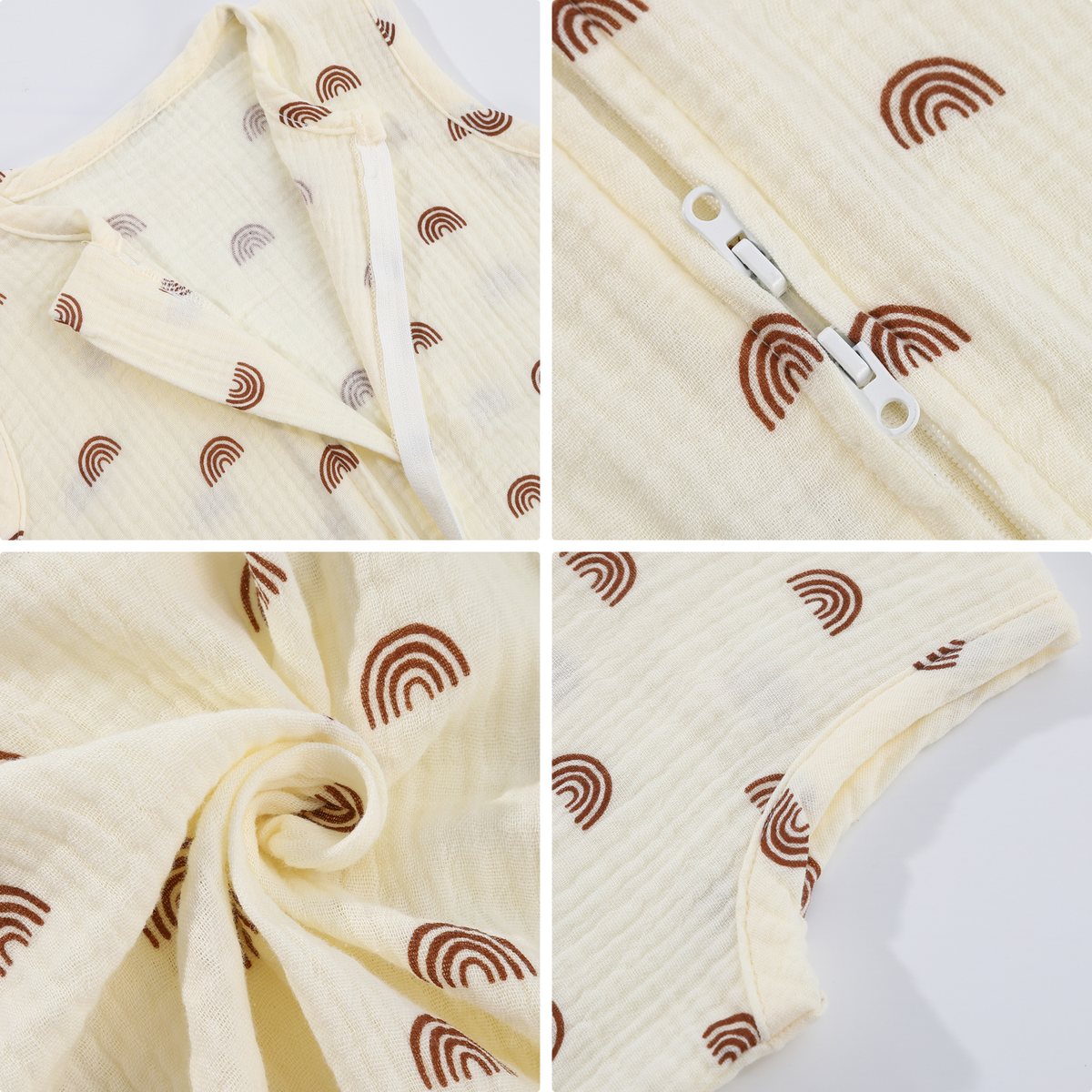
Muslin vs stretch knit swaddles: which should you make?
Muslin is a flat, open-weave cotton that is breathable, print-friendly and shrinks on first wash. Jersey is a knit with stretch that stays wrapped with less practice but …
Read →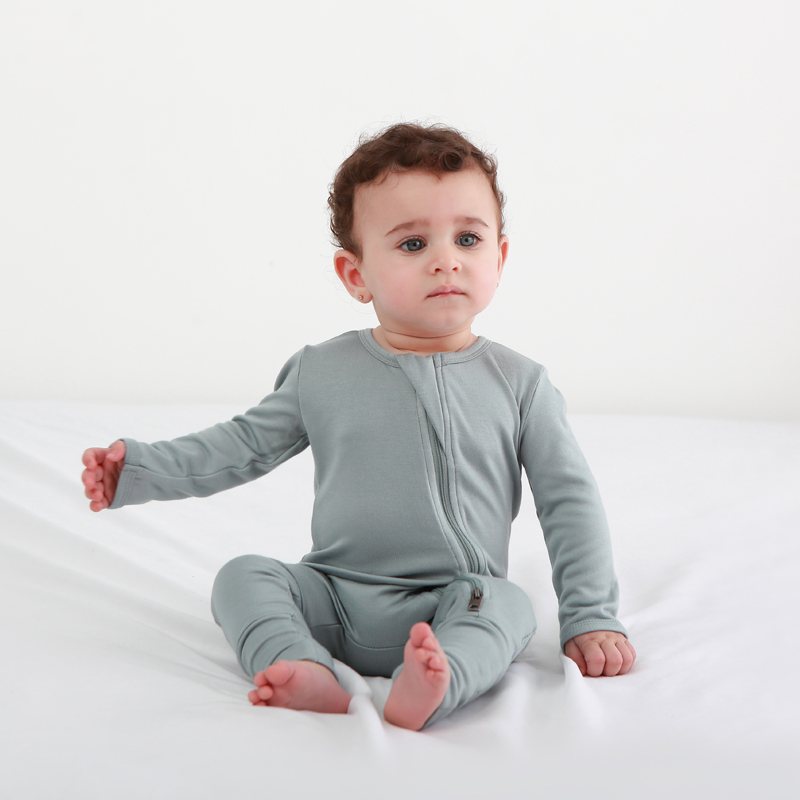
Footed vs footless baby sleepsuits for your collection
A footed sleepsuit encloses the foot and replaces socks; a footless sleepsuit ends at the ankle and is worn with socks or used in warmer rooms. The choice changes the pat…
Read →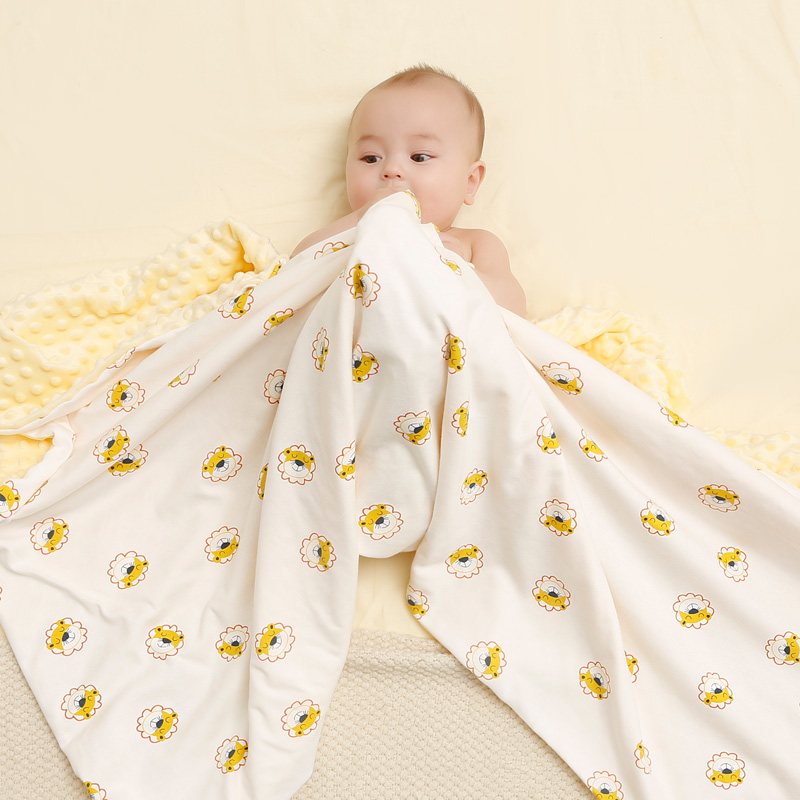
How to choose fabrics for a baby blanket collection
Four fabric families cover most baby blanket ranges: cotton muslin, knitted cotton, waffle or cellular, and plush or sherpa-faced polyester. They differ in warmth, wash b…
Read →
Baby textile supplier quality checklist
Ask for six things before a deposit: a test report with its scope stated, a points-of-measure sheet with tolerances, wash and shrinkage data for the fabric quoted, colour…
Read →Three questions that decide a first order
- What is the sleep sack MOQ? Four minimums apply at once, and only the largest one binds your order. The method is here.
- How is muslin swaddle bulk pricing built? Layer count, print method and pack configuration move the price more than the cotton itself. The order terms are here.
- What does baby clothing sample development involve? A tech pack, a fit sample, a sealed sample and a document at each stage. The six stages are here.
Guide, then product, then quote
- 1Read the guide when a question is costing you a revision — a minimum that moved, a TOG that did not match the build, a fabric that shrank into the wrong size.
- 2Go to the product line the guide points at. That page holds the constructions, fabrics, size set and tolerances the answer refers to.
- 3Quote or sample from there. The guide is context; the product page is the specification; the quote is the commitment.
We do not publish a guide per keyword. If two questions have the same answer, they share one page.
Have a question that is not here?
Send it. If it is a question buyers actually ask, it belongs on this page.