
Private label baby textiles: from tech pack to packed carton
Private label means the product is built to your specification and carries your brand. This page sets out the six stages, what you get at each one, and how the minimum order is actually built up — so the number you receive is one you can reason about. It applies the same way to private label sleep sacks, private label baby pajamas, swaddles and blankets: custom baby textiles are made to order, never picked from stock.
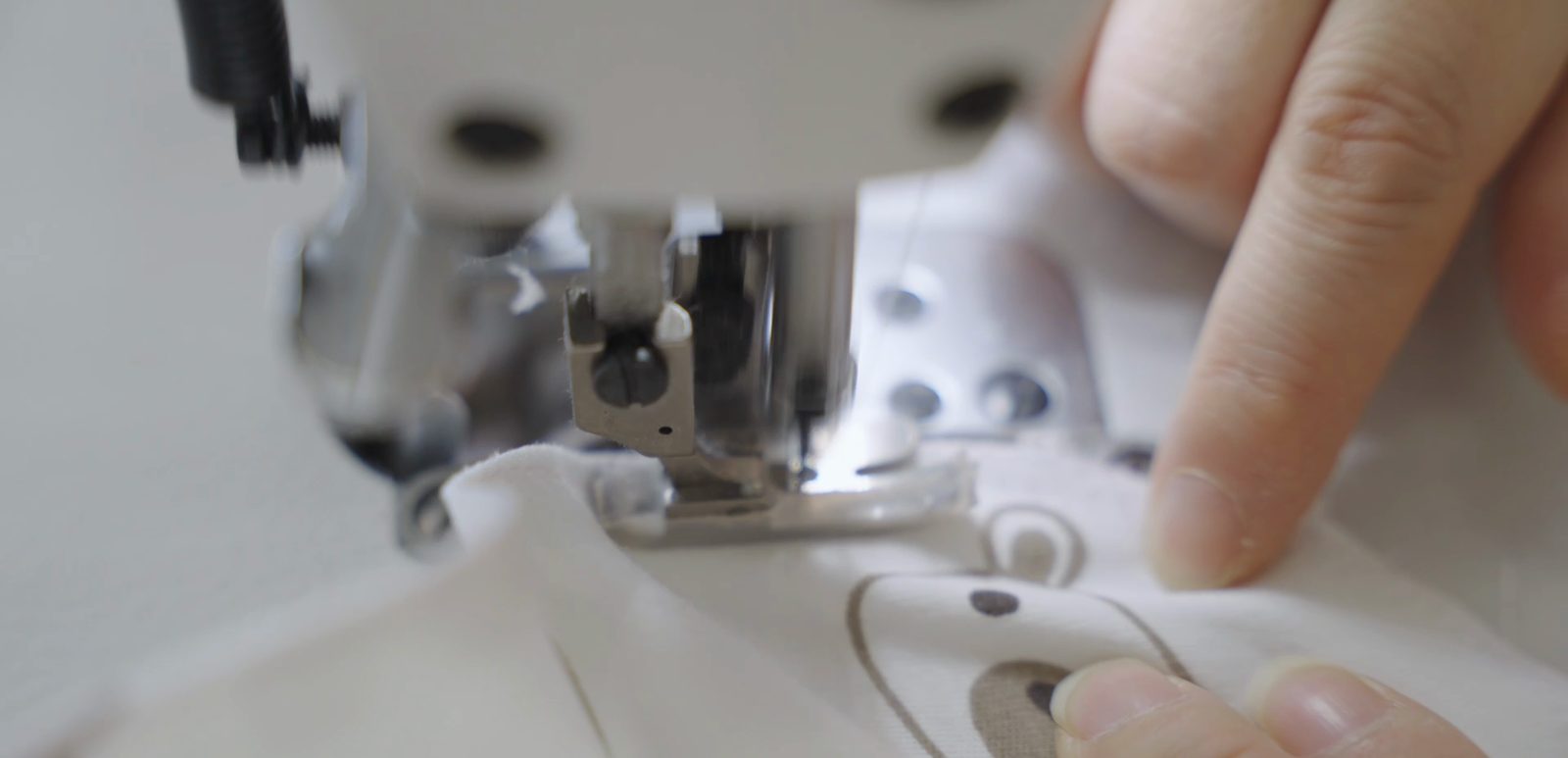
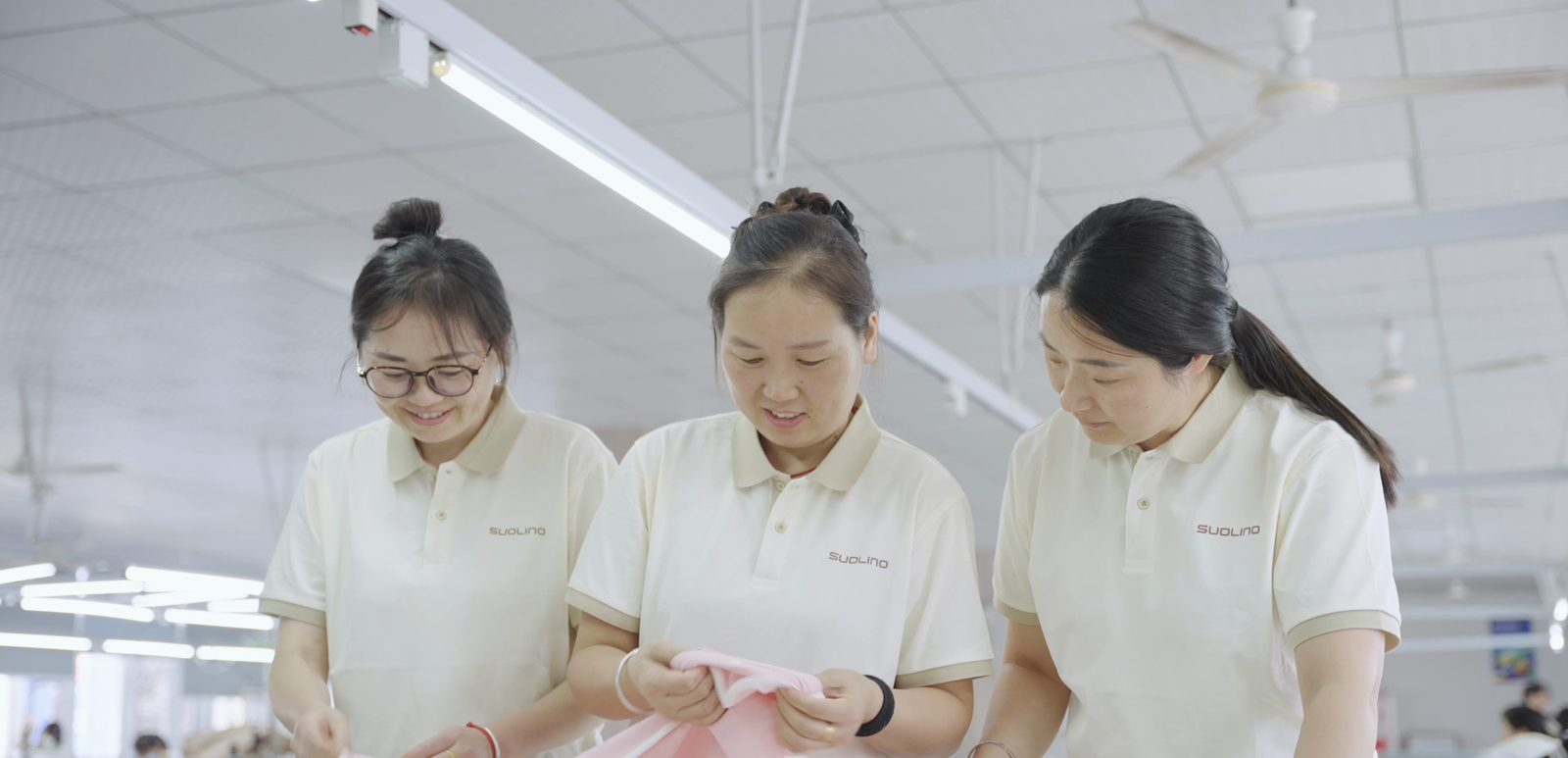
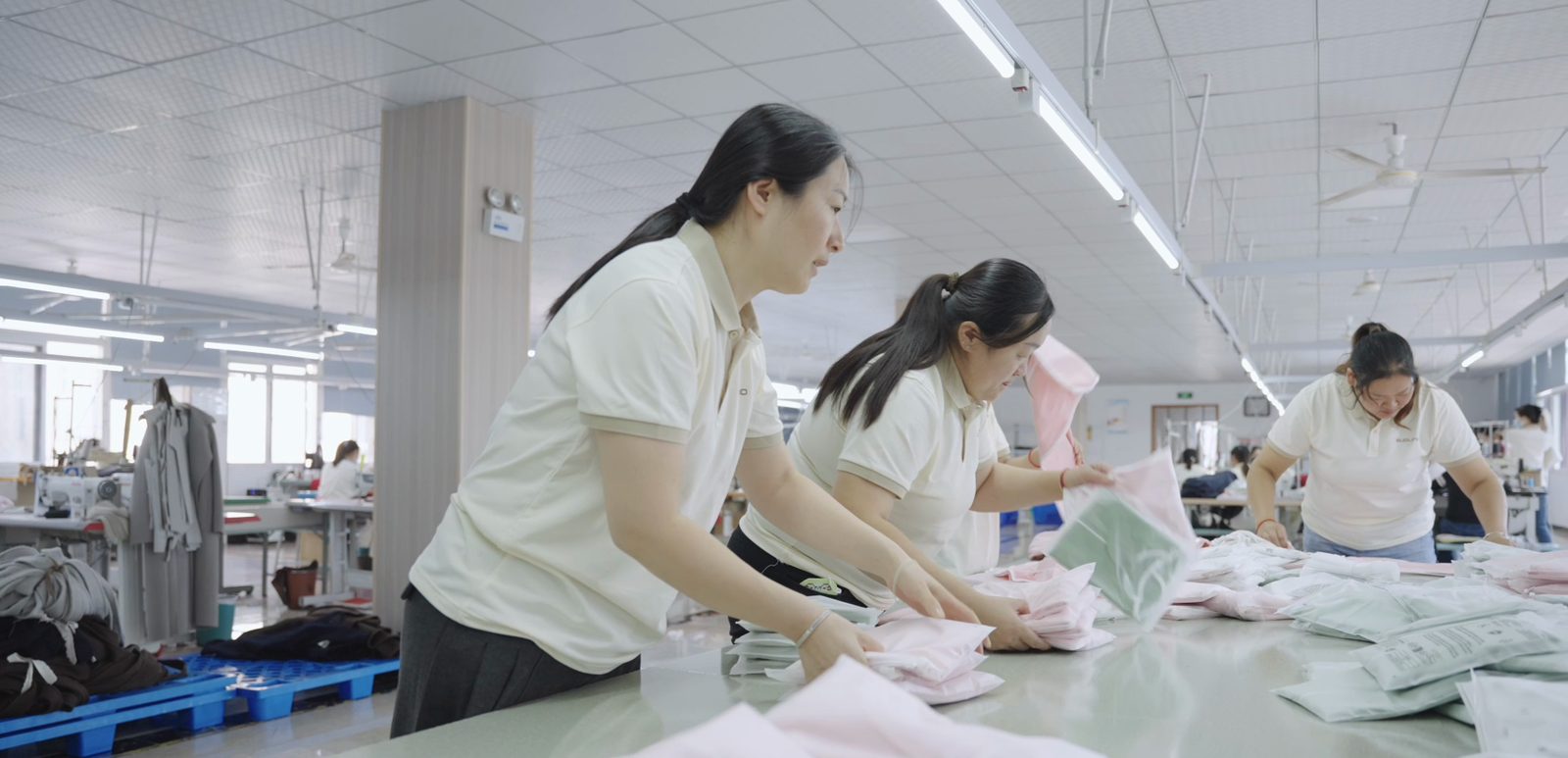
Sampling, inspection and packing on the floor our orders run through — each stage ends in the document listed beside it.
Six stages, six deliverables
Each stage ends with a document or a physical object you keep. That is deliberate: it is what makes a repeat order repeatable, and what makes a problem traceable.
Brief and feasibility
You send a reference style, the market, the quantity and the price target. We tell you what is possible and what is not, before anyone draws anything.
Deliverable: Written feasibility note with the construction and the minimum that applies.
Specification sheet
Construction, fibre, weight, size set, closures, trims, label copy and packaging are written down in one document.
Deliverable: A spec sheet you can circulate internally and compare against another supplier.
Sampling
A pre-production sample is made to the agreed spec, in the agreed fabric and colour.
Deliverable: A physical sample plus the measurement report against the spec.
Sample approval
You check fit, hand-feel, colour, print registration and label copy. Comments are recorded in writing.
Deliverable: A signed-off sample that becomes the sealed reference for bulk.
Bulk production
Production runs to the sealed sample. Fabric lot, print lot and trims are recorded against the batch.
Deliverable: A production schedule and an inspection before the carton is sealed.
Inspection and shipping
Inspection against the approved sample and the measurement chart, then packing and documents.
Deliverable: Inspection record, packing list, invoice and the test documents that apply to your market.
What a running order actually looks like
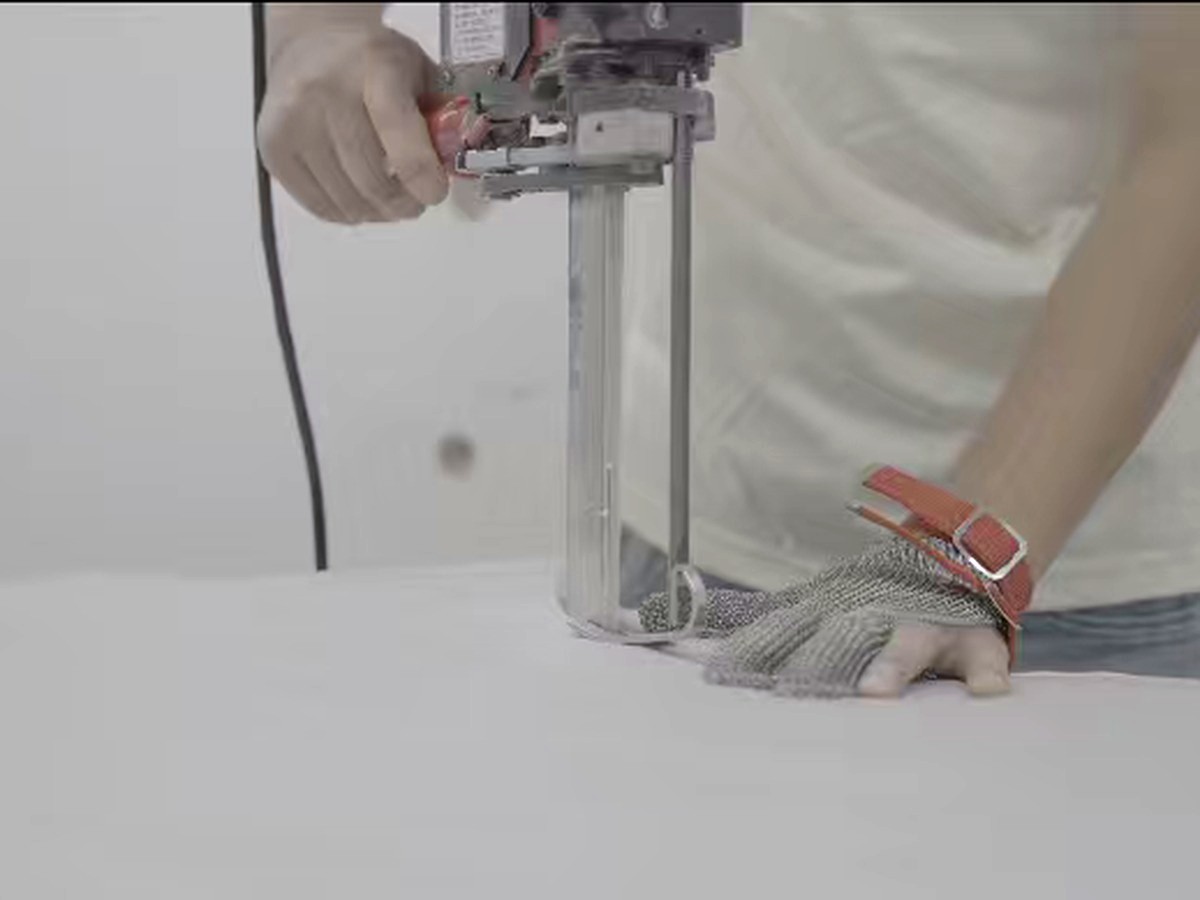
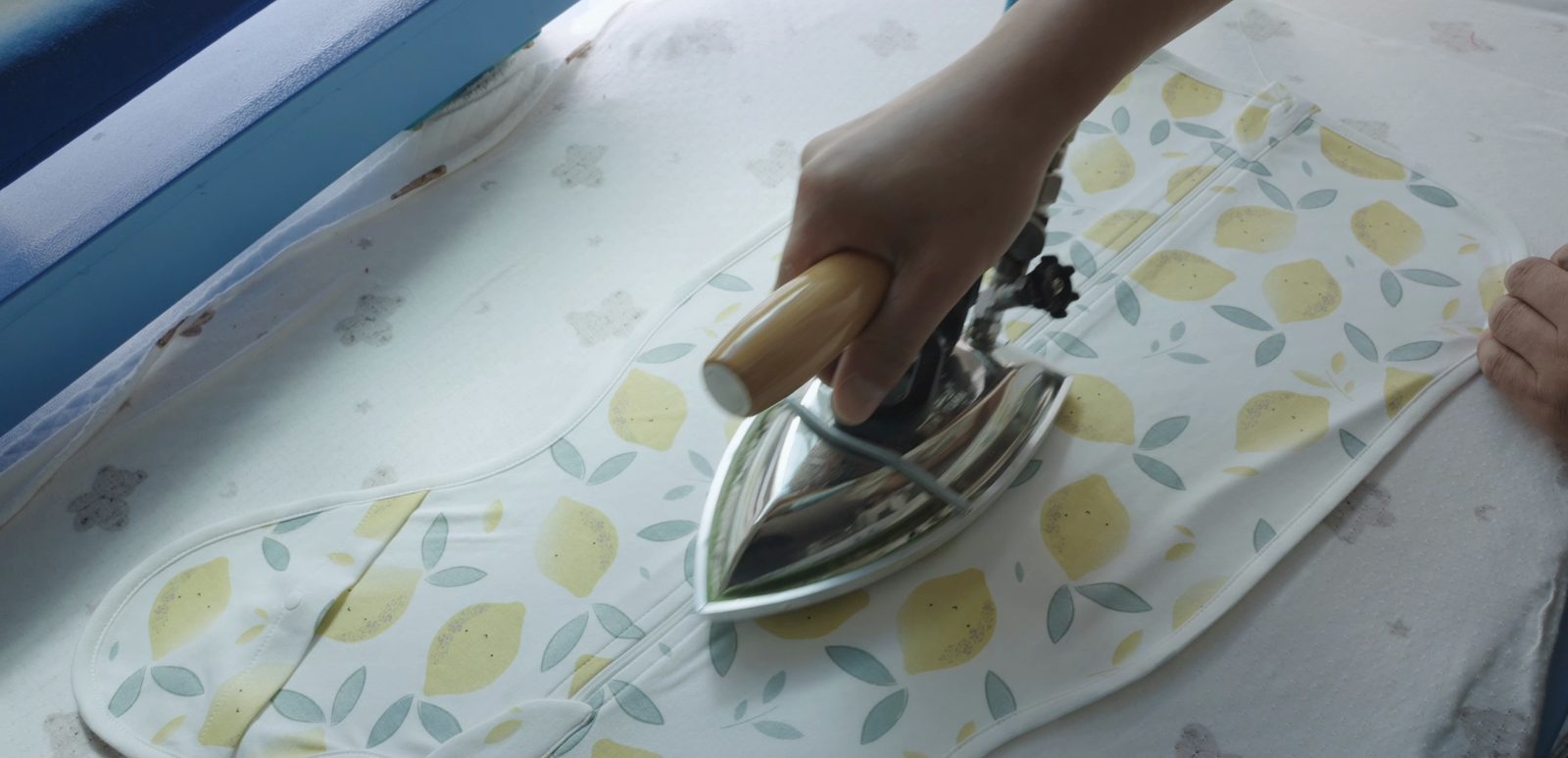
Cutting, stitching, final press, inspection — the same order, photographed on the floor. Every stage above ends in a document; these are the hands behind it.
What you can change, and what it costs you
| Element | Can be customised | What drives the minimum |
|---|---|---|
| Fabric | Fibre, weight, weave, hand-feel | Fabric minimum per quality |
| Colour | Stock shade or matched to a standard | Dye lot |
| Artwork, placement, repeat size | Print run per colourway | |
| Construction | Sleeve, closure, foot, quilt, seam | Pattern development and sampling |
| Size | Size set and grade rule | Grading work, not fabric |
| Labels | Woven main, printed care, size flag | Label run, usually the smallest driver |
| Packaging | Polybag, header card, band, box | Packaging print run |
Three kinds of “custom”
Buyers often ask for “custom” and mean one of three very different things. Separating them early saves a month:
- Private label — stock product, your label and packaging. Lowest minimum, fastest route to market.
- Custom print — stock blank, your artwork. Print minimum applies; everything else is unchanged.
- Custom development — new pattern, fabric, size or construction. Highest minimum, longest lead time, and the only route to a genuinely differentiated product.
Custom development is also where the OEM and ODM routes live: OEM when you supply the specification, ODM when we start from a construction we already build. How the OEM and ODM routes work sets out what each one requires before sampling and where the design ownership lands.
What “custom” does not mean on this page. We do not do single-piece personalisation: no one-off name embroidery, no print-on-demand, no individual gift orders shipped to consumers. If a customer of yours wants one blanket with a baby’s name on it, that is a decorator or a retail personalisation service, not a factory order. Our minimums are bulk minimums, and the artwork, label and packaging are yours.
Questions buyers ask
What does private label mean here?
How is a minimum order actually calculated?
Do you charge for samples?
Can you work from my tech pack?
Who owns the pattern?
Can you supply the same style to two of my competitors?
Start with a feasibility call
Send a reference style and your target quantity. We will tell you what the minimum really is and where the cost sits, before you commit to a sample.