
OEM and ODM baby textiles: two routes to your own range
The two words describe who brings the design. On OEM baby textiles you supply the specification and we produce to it; on ODM baby textiles we start from constructions already in the range and develop the differences with you. This page sets out what each route requires before sampling, what it does to the minimum, and where the intellectual property lands — because that is the part buyers find out too late.
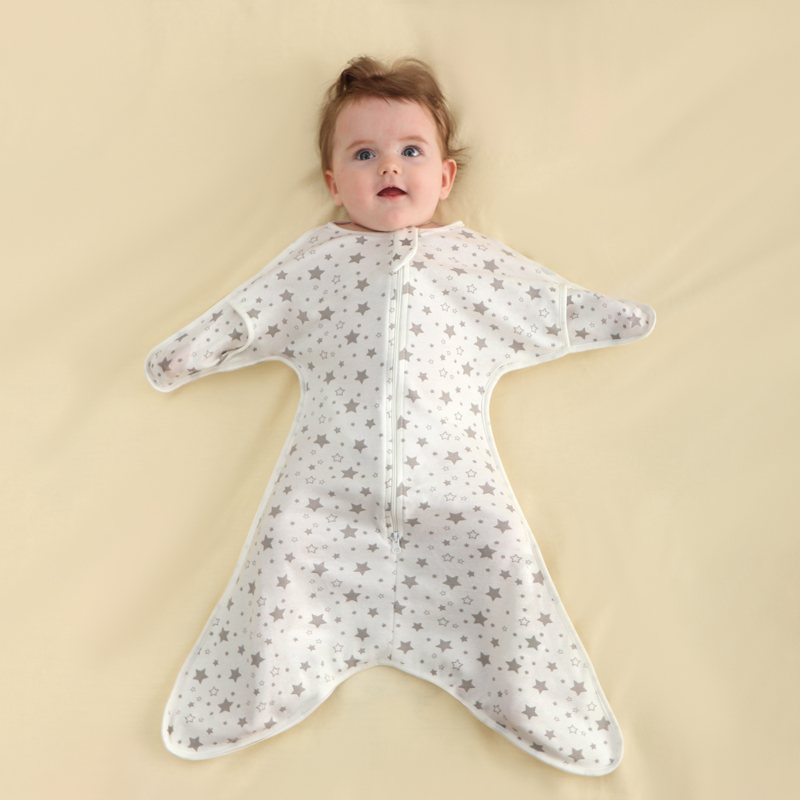
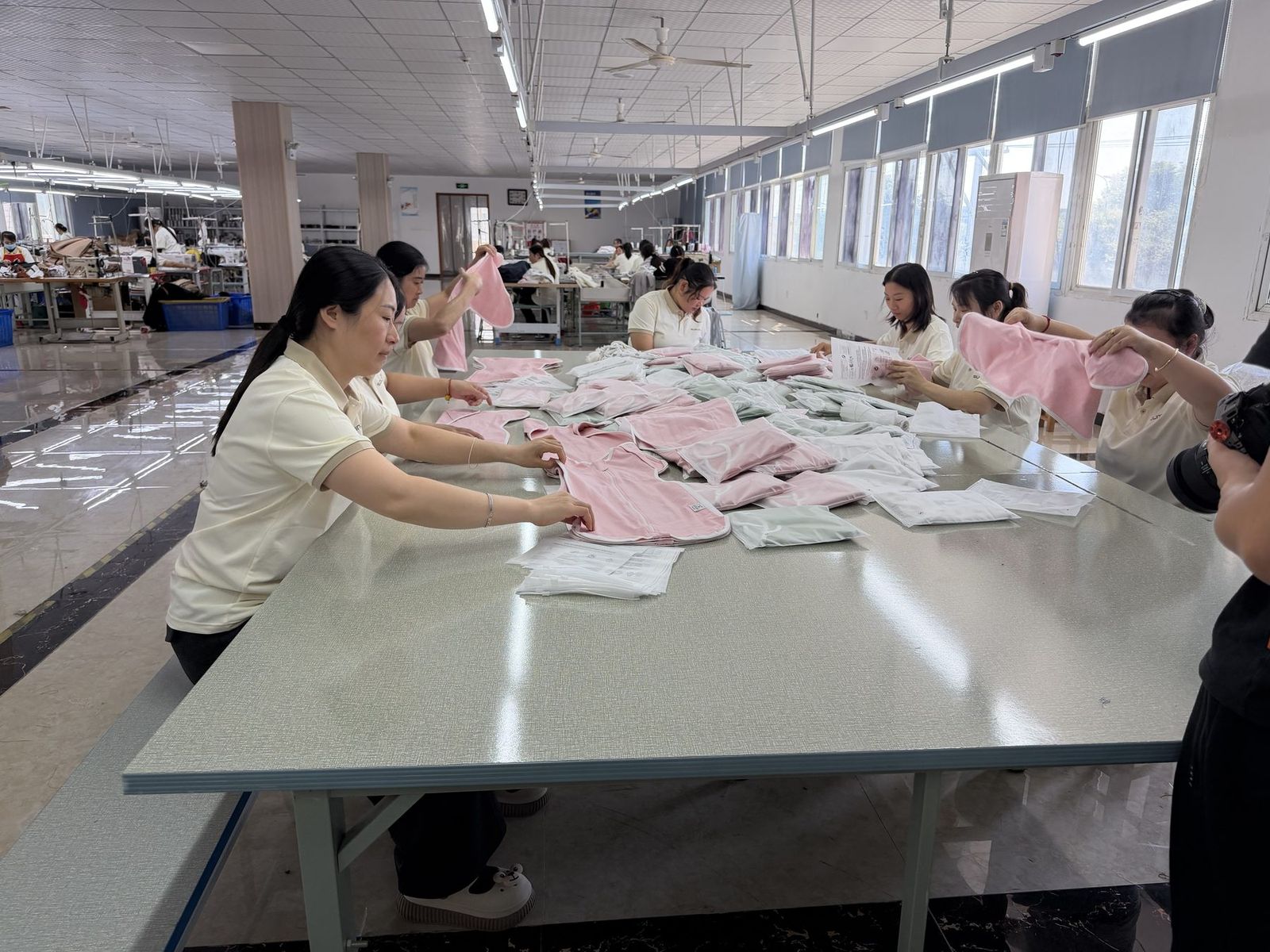
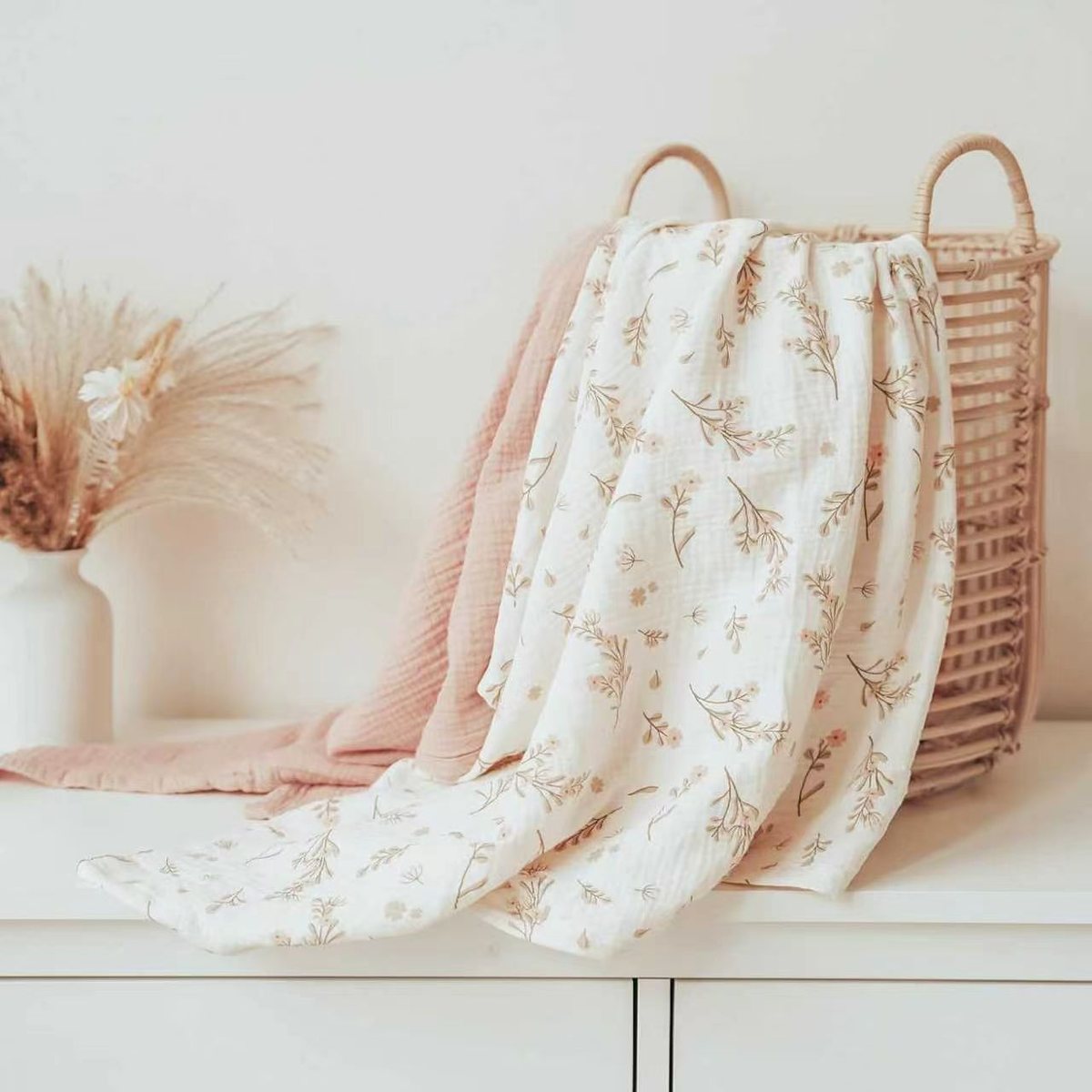
Where development starts: a silhouette already running, the fabrics and colourways it can take, then the differences your brief asks for.
Three words buyers use, and what they mean here
Suppliers use OEM, ODM and private label interchangeably, which is how projects start with the wrong expectations. This is the version we hold ourselves to:
| Route | You bring | We bring | What it changes |
|---|---|---|---|
| Private label | Your brand, label artwork and packaging | A stock construction and fabric from the range | Lowest minimum, fastest to market |
| OEM | A complete specification or tech pack | Sampling, production and inspection against your spec | Sample cost and timeline depend on how complete the spec is |
| ODM | A brief: market, price band, the job the product has to do | The starting construction, fabric options and the development work | Development time up front; the result can become exclusive to you |
OEM: your specification, produced to the letter
OEM baby textiles are build-to-spec work. Most OEM baby sleep sacks start from a reference garment or an existing tech pack; the quality of the outcome tracks the quality of the specification, so the first deliverable is a spec sheet both sides sign rather than a conversation either side remembers differently.
What helps us quote accurately, and what we ask for at the start:
- A tech pack or a reference garment — either works; we build the written spec from it
- Fabric and composition targets, including weight and the finish you expect
- The size set with grading, and the tolerances you will accept at inspection
- Closures, trims and attachment requirements, especially for sleepwear
- Label copy and packaging, plus the destination market so the document route is planned early
What you get back is the same deliverable chain as the private label program: a written feasibility note with the minimum that really applies, a countersigned spec sheet, a pre-production sample with a measurement report, and a sealed sample that becomes the bulk reference. Nothing moves to production against an approved sample that does not exist.
ODM: start from a construction we already build
For ODM baby clothing and textile ranges the brief usually names the market and the price band before it names a product. Our ODM work starts from constructions already running in the range — sleep sacks, swaddles, blankets, bodysuits, pajamas and the supporting lines — and changes what your brand needs changed: fabric and weight, the TOG build, closures, the size set, print and packaging.
The deliverable is a development proposal, counter-samples until the brief is met, and the final specification that carries into bulk. What ODM does not mean here is just as explicit: it is not a design-agency service, we do not license artwork or characters, and a modified construction is not exclusive unless the development behind it was paid for by you. Stating that before sampling is cheaper than discovering it after the first re-order.
Intellectual property, stated in advance
- Buyer-funded development belongs to the buyer — a pattern, grading or construction you paid to develop is yours, and we confirm it in writing.
- Stock constructions remain ours and are sold non-exclusively; we tell you which one you are buying rather than imply exclusivity we cannot enforce.
- Your artwork stays yours. Artwork supplied for an order is used for that order and is not re-offered to other buyers.
- Your trademarks identify your goods only. We produce under your mark for your order; the mark is not used to suggest any other relationship.
Which route fits? If you need a range live in weeks and the differentiator is your brand, start with private label. If you already know exactly what the product is, OEM. If you know the customer and the price point but not the product yet, ODM — and the feasibility note will tell you what the development adds to the minimum before you commit to a sample.
Questions buyers ask
What is the difference between OEM and ODM for baby textiles?
Can you work from a tech pack we already have?
Who owns the design after an ODM project?
What is the minimum for an OEM or ODM order?
Can you develop a style nobody else can buy?
Start with a feasibility call
Send the brief, the reference style and your target quantity. We will tell you which route fits, what the minimum really is, and what the development adds — before sampling.